Essential Safari Tips
Planning an African safari is exciting, and a little overwhelming if it’s your first time. From knowing when to travel to what to pack and how to choose the right safari experience, the details matter.
At The Out of Africa Experience, our travel experts help you plan safaris around the seasons from the Great Migration crossings in East Africa to the water-level peaks of Botswana’s Okavango Delta. Whether you seek dramatic wildlife encounters or the still beauty of Africa’s green season, we’ll guide you to the best time and place for your dream safari.
Best Times to Visit
The best time for wildlife viewing in East Africa is during the dry seasons, January to March and June to October. During these months, vegetation is sparse and animals gather around water sources, creating exceptional visibility and photographic opportunities.
To witness the world-famous Great Migration in the Serengeti and Masai Mara, plan your safari between July and October, when dramatic river crossings bring Africa’s most iconic spectacle to life.
The green season (November–December and April–May) transforms the landscape into lush, vibrant beauty, with fewer tourists, newborn animals, and ideal conditions for photographers seeking color and solitude.
Choosing Destinations
East Africa
• Kenya – Home to the legendary Masai Mara, where the Great Migration unfolds from July to October.
• Tanzania – Explore the endless plains of the Serengeti, the Ngorongoro Crater, and the elephant-rich Tarangire.
• Uganda & Rwanda – Journey into mist-covered mountains to encounter endangered mountain gorillas in their natural habitat.
Southern Africa
• Botswana – Experience the wild beauty of the Okavango Delta and Chobe National Park, where wildlife congregates by the water.
• Zimbabwe & Zambia – Witness the power of Victoria Falls, then explore Hwange and South Luangwa for exceptional big cat sightings.
• Namibia & South Africa – From the red dunes of the Namib Desert to the Kruger National Park, Southern Africa offers breathtaking contrasts and exceptional luxury lodges.
Pro Tip: Combine regions for a deeper, multi-country safari, for example, pair a classic Kenya or Tanzania safari with a gorilla trek in Uganda or a water-based safari in Botswana for the ultimate African adventure.
Photography Tips
Bring a camera with a good zoom lens (at least 200mm) to capture wildlife from a distance. A beanbag or monopod helps stabilize your camera during game drives.
Pack extra memory cards and batteries, as charging opportunities might be limited in remote areas. Consider bringing a dust-proof camera bag to protect your equipment.
The golden hours of early morning and late afternoon offer the best lighting for wildlife photography. These are also the times when animals are most active.
What to Pack
Pack lightweight, neutral-colored clothing (khaki, beige, olive) that can be layered. Avoid bright colors and blue (which attracts tsetse flies). Long sleeves and pants protect against sun and insects.
Essential items include a wide-brimmed hat, sunglasses, strong sunscreen, insect repellent, and a good pair of binoculars. A headlamp or flashlight is useful for navigating camps after dark.
For gorilla trekking, include waterproof hiking boots, gardening gloves (for gripping vegetation), and a rain jacket regardless of season.
Health Precautions
Consult your doctor or travel clinic 4-6 weeks before travel for recommended vaccinations and anti-malaria medication. Yellow fever vaccination is often required for entry to East African countries.
Stay hydrated, but only drink bottled or purified water. Most reputable safari camps and lodges provide safe drinking water. Pack a basic first-aid kit including pain relievers, anti-diarrheal medication, antihistamines, and any personal medications.
Cultural Sensitivity
East Africa is rich in diverse cultures. Always ask permission before photographing local people, particularly in villages or markets. Some communities may request a small fee for photos.
Dress modestly when visiting local communities or urban areas. Learning a few basic greetings in Swahili will be appreciated by local people and enhance your cultural experience.
Money and Tipping
US dollars are widely accepted throughout East Africa, but ensure you bring newer bills (printed after 2013) as older notes may be rejected. Small denominations are useful for tips and small purchases.
Tipping is customary in the safari industry. Budget approximately $10-15 per day for your guide, $5-10 per day for camp staff, and $10-20 for your gorilla trekking guide. Many lodges provide tipping guidelines and communal tip boxes.
Weather and Climate
Despite being on the equator, many safari destinations are at higher elevations and can be surprisingly cool, especially in the early mornings and evenings. Pack a warm fleece or jacket for these times.
During the day, temperatures can rise significantly. Layered clothing allows you to adjust comfortably throughout the day. Don’t forget sun protection, as the equatorial sun is intense even on cloudy days.
Food and Dining
Safari lodges and camps typically serve international cuisine adapted to western tastes, though many incorporate local flavors and ingredients. Vegetarian and special dietary options are usually available if requested in advance.
Meals are often served at set times to accommodate game drive schedules. Breakfast may be early (around 6 AM), with lunch back at camp or as a packed picnic, and dinner usually after the evening game drive.
The Out of Africa Journal
Insightful travel stories, conservation news, and safari inspiration from the heart of East Africa.
From The Media

Africa-Americas Tourism Summit Sets Stage for Global Cooperation
Tourism leaders from Africa and the Americas have committed to leveraging the sector as
Read more →
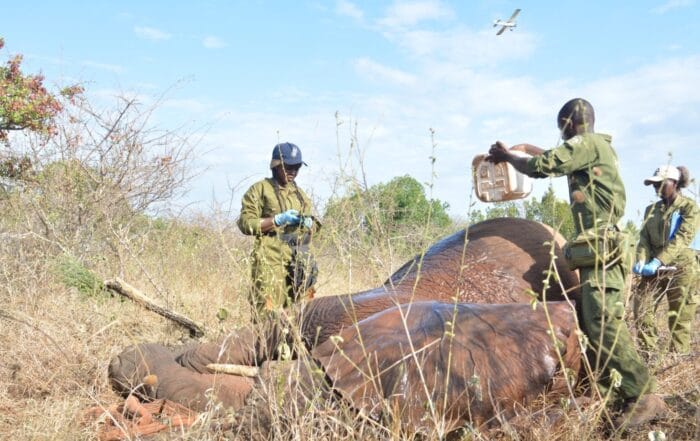
Successful Relocation of Elephants in Mwea National Reserve
It was the KWS team that meticulously planned and executed the incredible journey of 54
Read more →

Standard Chartered Nairobi Marathon Set for October 27, 2024
The excitement is building as the Standard Chartered Nairobi Marathon is set to take place on October
Read more →

New Destinations To Explore
Kajulu Forest: The New Eco-Tourism Gem in Kenya Kajulu Forest has emerged as a
Read more →